
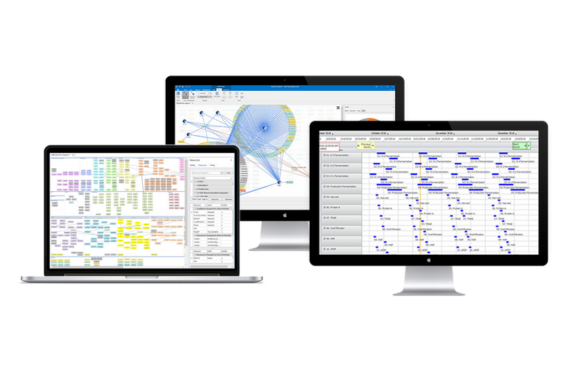
What Is a Real-Time Modeling System?
A Real-Time Modeling System (RTMS) is a digital solution that models facility behavior using real operational data. Unlike static simulations or spreadsheets, RTMS dynamically reflects actual manufacturing conditions—providing an up-to-date, accurate digital twin of facility capacity, cadence, and constraints.
1. Design validation
Before investing in facility upgrades, organizations can use RTMS to simulate proposed changes and evaluate whether they’ll deliver the expected capacity gains. This de-risks capital projects and ensures smarter allocation of resources.
2. Bottleneck detection
Identifying bottlenecks is one of the most critical steps toward improving facility performance. RTMS allows teams to pinpoint where constraints occur—whether due to labor, cleanroom space, equipment utilization, or utilities—and model solutions to resolve them.
3. Facility flexibility
In an industry where demand is often unpredictable, facility flexibility is essential. RTMS helps life science companies understand how to pivot operations quickly—whether scaling for commercial demand, shifting to multiproduct workflows, or repurposing space for new modalities.
4. Regulatory Confidence
With the ability to visualize facility behavior and generate defensible data models, RTMS supports regulatory readiness and audit preparedness. It gives teams the confidence to explain, justify, and document their operational decisions.
5. Improved Planning and Capacity Forecasting
RTMS enables production planners to make smarter decisions by incorporating real-world constraints and variability into their models. This leads to more accurate capacity forecasts, improved batch scheduling, and greater on-time delivery rates.